
Who Was the First Musician in the Bible? (Jubal’s Story)
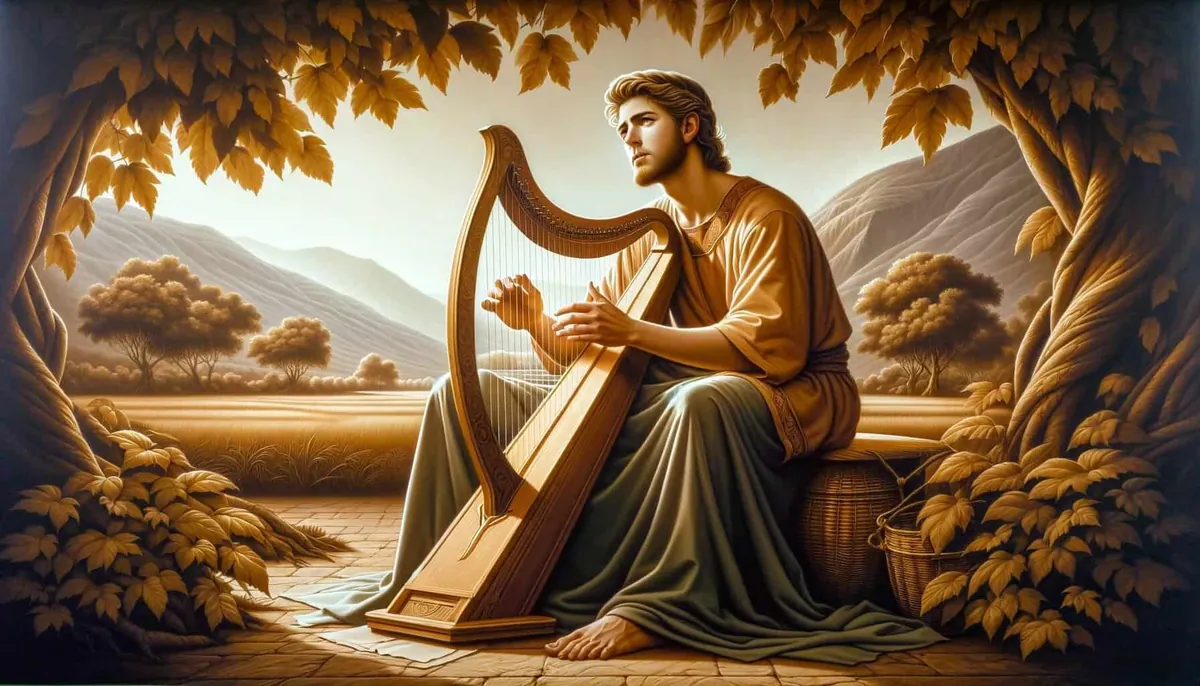
Music has always been an integral part of human culture, serving as a powerful form of expression and communication throughout history.
The Bible also references music and musicians, beginning as early as the Genesis account of early human societies.
Who Was the First Musician in the Bible?
The first musician mentioned in the Bible is Jubal. According to Genesis 4:21, Jubal was “the father of all who play the harp and flute.”
He was a descendant of Cain and is noted specifically for his role in developing musical instruments.
This makes him not only the first named musician but also highlights his influence on the arts within biblical history.
The Origin of Music in the Bible
While Jubal is the first musician named, the origins of music in the Bible can be traced back to the early days of humanity as depicted in Genesis.
Music likely served various purposes, such as in religious ceremonies, celebrations, and personal enjoyment.
The mention of Jubal as a developer of musical instruments suggests that music was an established and evolving part of human culture even in the antediluvian period.
Music, therefore, has deep roots in biblical tradition, reflecting its importance and value in human expression and divine worship throughout ancient times.
Related – The Biblical Truth about What the Bible Says about Secular Music?
10 Interesting Facts about Jubal
Name and Lineage: Jubal is identified in the Bible as the son of Lamech and Adah, making him a descendant of Cain, who was the first son of Adam and Eve.
Occupation: Jubal is described as “the father of all who play the harp and flute.” This designation suggests that he was the first to make and play these musical instruments.
Cultural Impact: As a pioneer in music, Jubal had a significant impact on the cultural development of early human societies according to biblical accounts.
Sibling Connections: Jubal had a brother named Jabal; he is described as “the father of those who live in tents and raise livestock.” This indicates that Jubal’s family was instrumental in developing various aspects of early human civilization.
Textual Mention: Jubal is mentioned in Genesis 4:21, which is part of the genealogical record following Cain’s lineage after he was banished for killing his brother Abel.
Artistic Heritage: By being called “the father of all who play the harp and flute,” Jubal is associated with the establishment of a tradition of music and art within his community.
Significance of Instruments: The instruments mentioned in association with Jubal, the harp and flute, are among the oldest musical instruments known to humanity.
Religious Influence: Although the Bible does not detail Jubal’s personal religious practices, his contribution to music likely influenced religious and cultural ceremonies of the time, as music has historically played a significant role in worship.
Etymology: The name “Jubal” may derive from a Hebrew word meaning “stream” or “to bring forth,” possibly relating to his role in flowing or bringing forth music into the world.
Legacy: Jubal’s legacy is one of creativity and cultural development, marking him as a key figure in the Genesis narrative of human progress and artistic expression.
These facts highlight Jubal’s role as a foundational figure in the development of music according to the biblical narrative.