
Praying the Lord’s Prayer: A Guide to Drawing Closer to the Father’s Heart
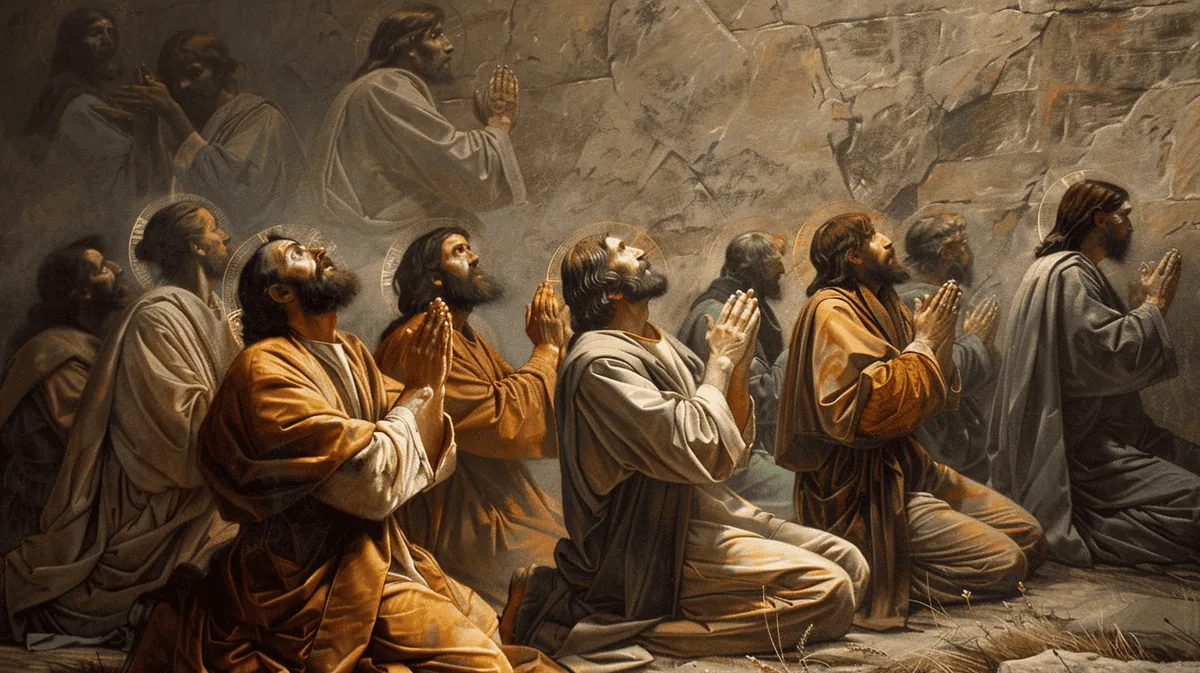
The Lord’s Prayer, given to us by Jesus himself in the Sermon on the Mount (Matthew 6:9-13) and also recorded in Luke’s Gospel (Luke 11:2-4), provides a beautiful and profound model for our communication with God. It’s more than a rote recitation or a ritualistic formula; each phrase contains rich truths about God’s nature, our relationship to Him, and how we can align our hearts with His will.
As Christians, prayer is one of our greatest privileges and most powerful tools. Yet, many of us struggle with knowing how to pray or feeling like our prayers are inadequate. The Lord’s Prayer offers a simple yet comprehensive guide, teaching us the essential elements of prayer and the heart posture we should bring before our Heavenly Father.
In this blog post, we’ll explore the Lord’s Prayer line by line, unpacking the deep spiritual truths and practical applications each phrase holds for our prayer lives and our walk with God.
Line by Line Examination
“Our Father in heaven, hallowed be your name.”
- Our Father: These opening words establish the intimate, familial relationship we have with God through Christ. He’s not a distant, impersonal force but a loving Father who invites us into close fellowship with Him. Addressing God as “Father” reminds us of His tender care, provision, and desire for relationship with us. It’s a privilege we have as adopted children through faith in Jesus (Galatians 4:6-7).
- In heaven: This phrase acknowledges God’s sovereignty, transcendence, and dwelling beyond our earthly realm. It reminds us that while God is intimately close, He is also the exalted ruler of the universe. Praying with this awareness humbles us and enlarges our perspective, helping us see our lives and concerns in light of eternity.
- Hallowed be your name: God’s name represents His character, identity, and being. Praying for His name to be hallowed or sanctified means desiring His character to be known, honored, and glorified in our lives and in the world. It’s a declaration of worship, setting our hearts to exalt God above all things. It also invites us to reflect His holy character in our own lives.
“Your kingdom come, your will be done, on earth as it is in heaven.”
- Your kingdom come: The kingdom of God is His sovereign rule and reign. Praying for its coming isn’t just about the future millennial kingdom, but about longing for and submitting to God’s reign in our hearts and in the world right now. It’s an invitation for God to have His way in us and through us, extending His rule of righteousness, peace, and joy (Romans 14:17).
- Your will be done: This phrase aligns our will with God’s. It acknowledges that His plans and purposes are perfect and that true joy is found in surrender to Him. Praying this relinquishes our agendas and desires, trusting that God knows best. It’s not a passive resignation but an active choice to cooperate with His will, even when it’s difficult.
- On earth as it is in heaven: In heaven, God’s will is perfectly carried out. Angels and saints worship Him in pure devotion. Praying for this heavenly reality to be mirrored on earth is a bold request for God’s perfect purposes to be fulfilled in our imperfect world. It’s a prayer for the advancement of the Gospel, for justice, peace, and righteousness to prevail, and for all creation to come into alignment with God’s design.
“Give us today our daily bread.”
- Give us: These words acknowledge our complete dependence on God for our sustenance, both physical and spiritual. It’s a humble admission that all we have is a gift from His hand. Praying this cultivates gratitude and counters the pride of self-sufficiency. It also expresses trust in God’s faithful provision and care for us as a good Father.
- Today: Requesting provision for today teaches us to trust God for our immediate needs without anxious thoughts about the future. It’s a practical application of Jesus’ teaching in Matthew 6:34, “Therefore do not worry about tomorrow, for tomorrow will worry about itself. Each day has enough trouble of its own.” Praying this daily builds our faith and dependence on God.
- Our daily bread: Bread here represents all that we need for our daily existence, including food, shelter, clothing, and meaningful relationships. It covers our physical, emotional, and spiritual needs. Praying this reminds us to bring all our needs before our Father, trusting Him to sustain us and supply what we need most.
“And forgive us our debts, as we also have forgiven our debtors.”
- Forgive us our debts: Sin is often pictured as a debt in Scripture because it incurs a moral and spiritual liability that we cannot pay on our own. We stand guilty before the holy God. Praying for forgiveness acknowledges our sin and our need for God’s mercy and grace. It’s a humble plea for cleansing and restoration made possible only through Jesus’ sacrifice on the cross.
- As we also have forgiven our debtors: This phrase links God’s forgiveness of us with our forgiveness of others. It echoes Jesus’ parable of the unforgiving servant (Matthew 18:21-35) and His teaching that our forgiveness of others affects our fellowship with the Father (Mark 11:25). Forgiving others is an act of Christlike love and a recognition of the vast debt God has forgiven us. As we pray this, we’re challenged to extend grace as freely as we have received it.
“And lead us not into temptation, but deliver us from evil.”
- Lead us not into temptation: This phrase has often been misunderstood as suggesting that God might tempt us to sin. However, James 1:13 makes it clear that God does not tempt anyone. Rather, this is a plea for God’s protection and guidance in the face of temptation. It acknowledges our weakness and susceptibility to sin, and our need for God’s strength to resist the lure of our flesh and the world.
- But deliver us from evil: This is both a plea for rescue from the temptations and schemes of the Evil One and a recognition of God as our ultimate deliverer. We have a real spiritual enemy who seeks to deceive, accuse, and destroy. Praying this expresses our dependence on God’s power to overcome the forces of darkness and to protect us in spiritual warfare. It’s a declaration of faith in God’s victory over evil.
“For yours is the kingdom and the power and the glory forever. Amen.”
- For yours is the kingdom…: While this final doxology does not appear in all early manuscripts, it beautifully encapsulates the themes of God’s sovereignty, power, and worthiness of praise that run throughout the prayer. It’s an affirmation that all authority, ability to act, and glory ultimately belong to God forever. Praying this realigns our hearts to a posture of worship and surrender.
- Amen: Meaning “so be it” or “let it be so,” this final word expresses agreement, affirmation, and confident trust in all that has been prayed. It’s a seal of faith, acknowledging that our prayers are heard and trusting in God’s faithfulness to answer according to His will.
Conclusion
The Lord’s Prayer is not meant to be a magical formula or an exhaustive list of every prayer theme. Rather, it’s a roadmap for our relationship with God and a guide for aligning our hearts with His. It teaches us to approach God with reverence and intimacy, to prioritize His kingdom and will, to depend on Him for our needs, to seek and extend forgiveness, to rely on His protection and deliverance, and to ascribe all glory to Him.
As we pray the Lord’s Prayer regularly and thoughtfully, meditating on each phrase, we’ll find our prayer lives enriched and our relationship with the Father deepened. We’ll grow in our understanding of who God is, who we are in Him, and how we can live in greater alignment with His purposes.
Let’s commit to making the Lord’s Prayer a regular part of our devotional lives, not just reciting it but truly internalizing its truths. As we do, may we experience the joy and peace of drawing closer to our Heavenly Father’s heart.
“This, then, is how you should pray…” – Matthew 6:9a